Property losses rarely happen at a convenient time. A fire, severe storm, burst pipe or other unexpected event can disrupt operations in an instant and leave business owners wondering what to do next. While the damage itself may be unavoidable, the actions taken during the first 24 hours can make a significant difference in how smoothly the insurance claim process unfolds. By focusing on a few key steps—protecting people, documenting damage and communicating promptly with your insurance team—you can help minimize complications and put your business on the path to recovery.
Ensure Safety First
Before assessing damage or contacting the insurer, confirm the premises are safe. If the loss involves fire, structural damage or utility hazards such as a gas leak or downed electrical lines, contact emergency services before entering the building. Allow fire, police or utility personnel to clear the property before any staff, contractors or insurance representatives conduct an assessment.
If the loss involves theft or vandalism, file a police report before doing anything else. Insurers routinely require a report number to open a claim for these types of losses.
Notify Your Insurer and Broker Promptly
Most commercial property policies require the insured to report a loss “as soon as practicable.” Prompt notice allows the insurer to investigate the loss, assess damage and begin the claims process. Delayed notice can create coverage complications and make claims more difficult to investigate.
When calling the insurer’s claims line (most carriers offer 24/7 access), have the policy number, the date and time of the loss, and a brief description of the cause ready. Stick to the facts at this stage. Avoid speculating on the extent of damage or estimating repair costs before a professional assessment is completed.
Following the call, send a written notice to the claims department. An email is generally sufficient. Written notice creates a clear record of when and how the notice was provided. In addition, notify the insurance broker or agent; they can help navigate the immediate steps, identify all potentially applicable coverages and intervene if claim handling becomes difficult.
Once the claim is reported, record the claim number and the assigned adjuster’s contact information. Keeping this information organized from the outset can simplify future communications and help prevent delays.
Document Everything Before Cleanup Begins
Thorough documentation is the single most effective action a business owner can take in the first 24 hours. Claims disputes frequently come down to the quality and availability of evidence, and cleaning up or making repairs before the adjuster arrives can permanently limit recovery.
Take photos and video of all visible damage before touching anything, including the building exterior and interior, equipment, inventory, signage, structural elements and any standing water. Time-stamped digital files are ideal. In addition:
- Preserve damaged property. Do not discard damaged inventory, equipment or building materials until the adjuster has inspected them. If disposal is necessary for health or safety reasons, photograph and catalog items first.
- Keep a written log. Record the date and time of the loss, descriptions of all damage observed and notes from every conversation with the insurer. This log becomes a useful reference throughout the claims process.
- Pull pre-loss documentation. If photos, security footage or prior inspection records exist, preserve and flag them for the adjuster. Pre-loss documentation strengthens the comparison with post-loss conditions.
- Preserve invoices, maintenance records, repair estimates and other documentation. These records may become important as the claim progresses.
Take Reasonable Steps to Prevent Further Damage
Commercial property policies include a duty to mitigate, requiring the insured to take reasonable protective measures to prevent further loss. Failure to do so can result in a reduced settlement or coverage denial for the portion of damage that could have been avoided.
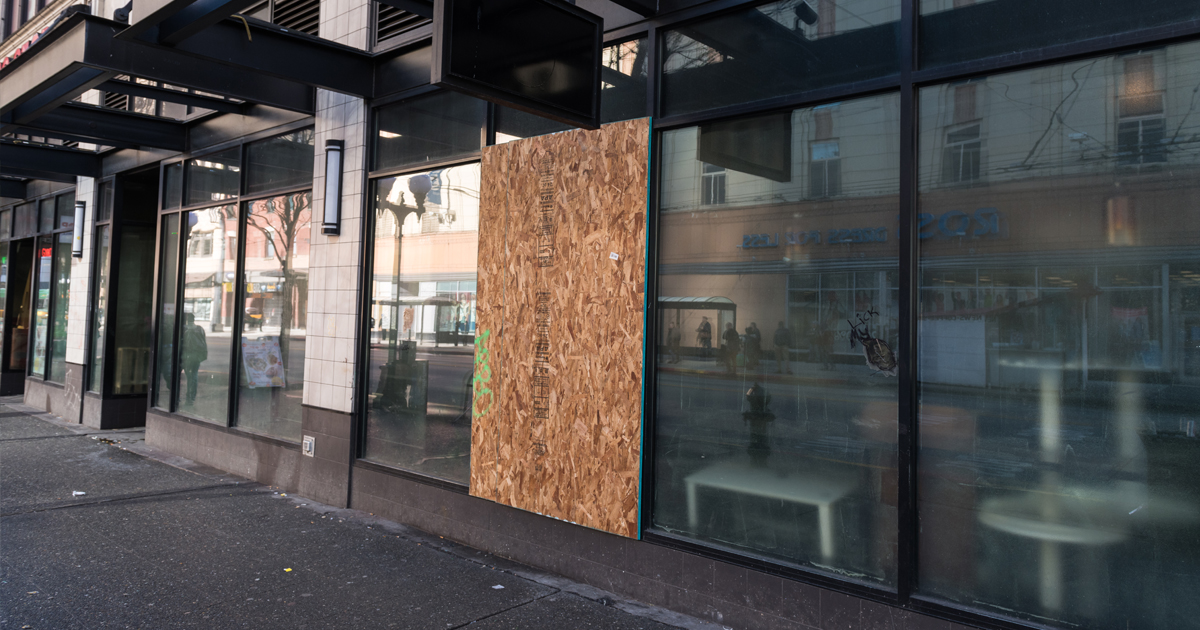
Common mitigation measures include tarping a damaged roof, boarding up broken windows and doors, shutting off water or gas at the main and extracting standing water. These are temporary protective actions, not permanent repairs. Avoid major reconstruction or disposal of damaged materials until the insurer has had a reasonable opportunity to inspect the loss. If emergency work or debris removal is necessary for safety reasons, document conditions thoroughly beforehand and notify the insurer as soon as possible.
Keep all receipts for emergency mitigation expenses. Most commercial property policies reimburse these costs when properly documented.
Start Tracking the Business Impact
If the loss forces a full or partial suspension of operations, business income coverage may apply. The period of restoration, which is the timeframe during which lost income is covered, generally begins at the time of the direct physical loss. However, business owners should review their policy terms or consult their broker to understand how business income coverage applies to their specific loss.
Begin documenting the business impact as soon as possible. This includes sales that could not be completed, orders canceled, employees idled and extra expenses incurred to continue or temporarily relocate operations. Pull recent financial records, including revenue and payroll data, to establish a pre-loss baseline. This documentation is the foundation for any business income calculation.
Conclusion
The steps taken in the first 24 hours after a commercial property loss shape everything that follows, including the adjuster’s assessment, the speed of the settlement and the total amount recovered. Securing the property, notifying the insurer promptly, documenting damage thoroughly and taking steps to prevent further loss are both best practices and policy obligations that protect the insured’s right to a full and fair recovery.
Contact Delmarva’s risk management experts at Deeley Insurance Group today to review your commercial property coverage and discuss how your business can be better prepared before a loss occurs. Call or text us at 410-213-5600.
This blog is not intended to be exhaustive nor should any discussion or opinions be construed as legal advice. Please contact legal counsel or an insurance professional for appropriate advice.