
The power goes out.
The lights go dark. Computers stop working. Refrigerators and freezers start warming up. Security systems, equipment and other critical operations may suddenly be offline.
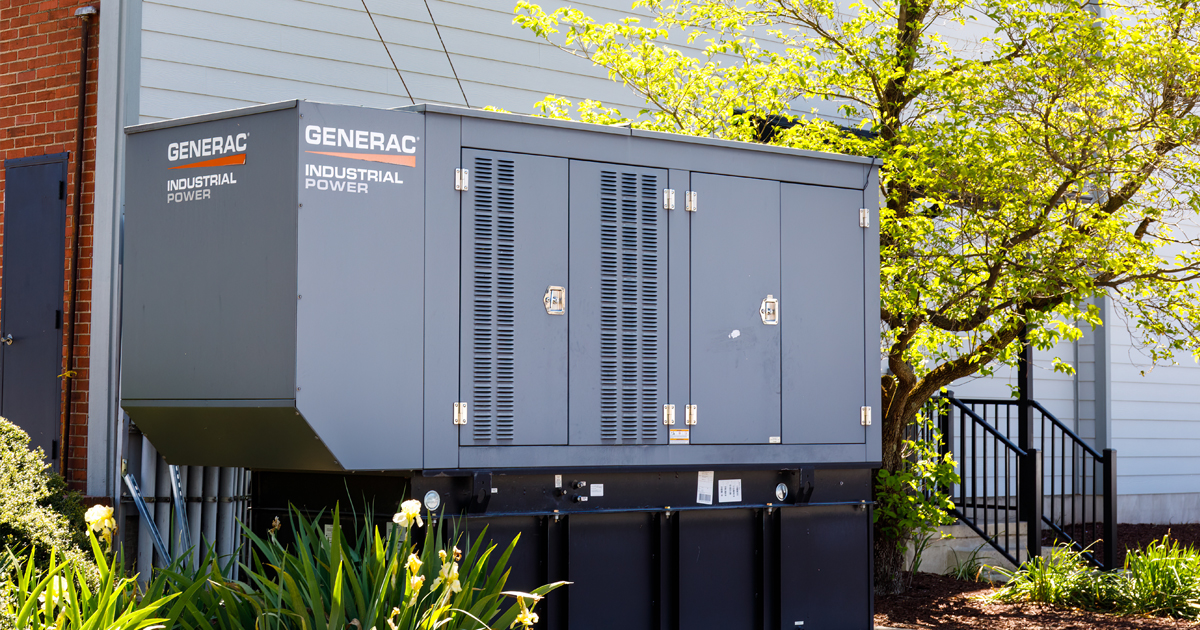
Fortunately, your business has a backup generator.
But here’s the question: Will it be ready when you need it?
Backup generators can be an important part of a business continuity plan, particularly during hurricanes, severe storms, winter weather and other events that can interrupt electrical service for prolonged periods. They can help businesses continue processing transactions, operating equipment, protecting temperature-sensitive inventory and maintaining a safe environment for employees and customers.
But a generator isn’t simply something you install and forget about.
Generators and their fuel supplies introduce their own property, liability and operational risks, including fire hazards, fuel leaks and potential third-party injury or property damage. Fuel storage and generator installation may also be subject to fire-safety, environmental and other regulatory requirements.
In other words, having a backup generator is only part of having a backup plan.
First: Make Sure Your Generator Is in the Right Place
Where a generator sits matters.
A generator installed too close to a building’s doors, windows, vents or other openings can allow exhaust gases to enter occupied areas, creating a potentially serious carbon monoxide hazard.
The National Fire Protection Association’s NFPA 37 standard generally calls for stationary generators to maintain at least five feet of clearance from openings such as doors, windows and vents, as well as from structures with combustible walls, subject to applicable exceptions and installation requirements. Exhaust should also be directed outdoors and positioned to prevent gases from entering the building through openings or air intakes.
There are other considerations, too.
Generators should be installed on a stable, noncombustible surface capable of safely supporting the equipment. And in flood-prone areas, elevating the generator above anticipated flood levels can help protect it from water damage and improve its reliability during an emergency.
One important note: The exact requirements can vary depending on the generator, manufacturer instructions, applicable codes and the requirements of the local authority having jurisdiction. A qualified professional should make sure your installation meets the requirements that apply to your particular property.
Don’t Forget About the Fuel
A generator isn’t much help without fuel.
Diesel and propane are common fuel sources for standby generators, and each comes with its own storage and handling requirements.
For businesses storing diesel, the EPA’s Spill Prevention, Control and Countermeasure (SPCC) Rule may apply. Certain facilities with more than 1,320 gallons of aggregate aboveground oil storage capacity—or more than 42,000 gallons of completely buried oil storage capacity—may be subject to the rule when a discharge could reasonably be expected to reach navigable waters or adjoining shorelines. Covered facilities generally must prepare and implement an SPCC plan, with periodic review and updates when certain facility changes affect discharge potential.
Propane storage is primarily governed by NFPA 58, which addresses tank installation, separation distances and safe handling. NFPA 110 also establishes performance and reliability requirements for emergency and standby power systems, including requirements related to operating duration and fuel supply.
Aboveground fuel tanks may also require secondary containment to capture fuel if the primary tank or associated equipment leaks. Requirements vary based on the tank, capacity, fuel type and applicable regulations.
Think Beyond the First 24 Hours
Here’s a practical question worth asking:
If the power were out for three days, could you keep the generator running?
Consider:
- How long can your generator operate at its expected load?
- How much fuel do you have on hand?
- How quickly can you get additional fuel?
- Who is responsible for arranging delivery?
- What happens if roads are inaccessible after a major storm?
- What if your usual fuel supplier can’t reach you?
The original generator plan may have been designed around a short outage. But severe weather can create much longer disruptions, and fuel deliveries may be affected at exactly the same time you need them most. The source specifically recommends considering how fuel will be replenished during an extended outage.
A generator is only as reliable as the plan supporting it.
The Worst Time to Discover a Generator Problem Is During a Power Outage
A generator can sit quietly for months doing absolutely nothing—which is exactly what we want from it.
Until the day we desperately need it.
That’s why regular testing and maintenance are so important.
Emergency and standby power systems should be exercised and tested according to applicable NFPA 110 requirements, manufacturer recommendations and local codes. Depending on the system, testing may include operating the generator under load, testing automatic transfer switches and conducting periodic supplemental load testing to verify that the system can perform under expected demand.
Fuel deserves attention, too.
Diesel can degrade over time, potentially causing performance problems or even engine failure. Periodic fuel inspection should therefore be part of the maintenance program.
And don’t overlook the paperwork.
Keeping records of inspections, testing, repairs and modifications can help demonstrate that the system has been properly maintained if an outage eventually leads to a claim.
“It worked the last time we lost power” isn’t really a maintenance program.
Generator Readiness Checklist
A quick review can help identify potential problems before the next outage:
☐ Proper installation: Confirm that the generator’s placement and installation meet applicable code and manufacturer clearance requirements.
☐ Safe exhaust: Make sure exhaust is directed away from doors, windows, vents and building air intakes.
☐ Adequate fuel: Confirm that your fuel supply is sufficient for anticipated outage conditions.
☐ Proper fuel storage: Make sure tanks, containers and containment measures meet applicable requirements.
☐ Regular testing: Establish and document a routine testing and maintenance schedule.
☐ Automatic transfer switch: Include the transfer switch in your testing program.
☐ Fuel condition: Monitor stored diesel or other fuel for potential degradation.
☐ Maintenance records: Keep documentation of inspections, testing, repairs and modifications.
☐ Safe refueling: Follow manufacturer requirements for fueling and refueling. Portable generators should generally be shut down and allowed to cool before fuel is
added, and fuel should be stored in approved, properly labeled containers away from ignition sources.
☐ Clear surroundings: Keep vegetation, stored materials and other combustible materials away from the generator and fuel-storage area.
☐ Fuel replenishment plan: Know how you’ll obtain additional fuel if an extended outage disrupts normal deliveries.
And Don’t Forget the Insurance Conversation
A backup generator is ultimately there to protect business continuity.
That’s an insurance conversation, too.
What happens if the generator fails and temperature-sensitive inventory is lost?
What if a fuel leak causes property damage?
What if a prolonged power interruption forces the business to close?
What if equipment is damaged?
The answers depend on the circumstances and the specific policies involved. That’s why your generator and emergency-power plans should be considered as part of your broader insurance and risk-management program.
A conversation with your Deeley advisor can help you think through how your property, equipment, business income and liability coverages may respond to different scenarios—and whether your current program reflects how your business actually operates.
When the Power Goes Out, Your Backup Plan Should Be Ready
A backup generator is an investment in your business’s ability to keep going when the unexpected happens.
But keeping the lights on takes more than having a generator sitting behind the building. It takes the right installation, adequate fuel, regular testing, proper maintenance and a plan for keeping the system ready.
Because when the power goes out, that’s not the time to find out whether your backup plan actually works.
At Deeley Insurance Group, we believe good risk management starts before the claim. We’re here to help you look at the big picture, identify potential gaps and Be Sure your insurance program and your business continuity plans are working together. Call or text us today at 410.213.5600.
Because the best time to prepare for an outage is before the lights go out.
This article is intended as general information and is not exhaustive or intended to provide legal, environmental or regulatory advice. Requirements can vary by equipment, facility, fuel type and jurisdiction. Businesses should consult qualified professionals and applicable authorities regarding their specific generator installation, fuel storage and compliance requirements.