When the water finally recedes, we hope the worst is over.
But for a business that has just experienced flooding, the work may only be beginning.
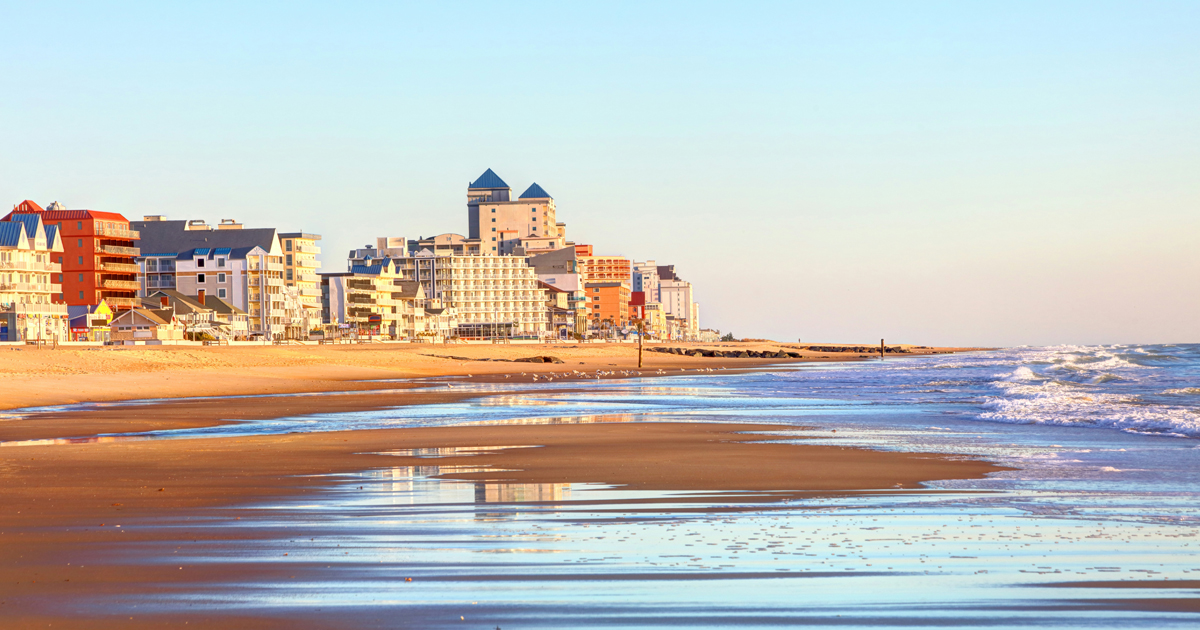
That is especially true for coastal businesses. In late September, a powerful nor’easter brought significant coastal flooding to Ocean City and other Delmarva communities. And coastal flooding can bring a different kind of challenge than a typical heavy-rain event. Saltwater and brackish water can be particularly damaging because of their corrosive effects on electrical equipment, metal components, building systems and vehicles.
So when the water goes away, the question isn’t simply, “How do we clean this up?”
It is also:
“What can we learn from this—and what can we do differently next time?”
First Things First: Don’t Rush Back In
After a flood, the instinct to get inside and start cleaning can be powerful. Fight that urge.
Floodwater can leave behind exposed electrical wiring, structural damage, contaminated water and debris. Your first priority should be making sure the building is safe for you, your employees and anyone else who may need to enter it.
Before you begin cleanup, take these steps:
1. Notify your insurance company.
Let your insurance professional know what happened and ask about the next steps for documenting and assessing the damage.
2. Document the damage.
If it is safe to do so, take photographs and video of the building, equipment, inventory and other damaged property before cleanup begins.
3. Shut off utilities—but only if it is safe.
Gas, electricity and fuel sources may need to be shut off. Never touch electrical sources while standing in floodwater.
4. Look for structural damage.
Don’t enter a building if there is any possibility of collapse or significant structural instability. Floors, stairs, roofs and overhangs may not be safe simply because the water has gone down.
5. Assume floodwater may be contaminated.
Wear appropriate protective equipment, including boots and gloves, when entering areas affected by floodwater.
6. Be careful with damaged equipment and debris.
Flood-damaged property may contain hidden hazards, sharp objects or contaminants. Don’t assume something is safe simply because it looks intact.
7. Don’t dispose of damaged property too quickly.
Talk with your insurer or adjuster before throwing away equipment, inventory or other potentially claimable property.
Once you’ve made sure the property is safe and the damage has been documented, then the cleanup can begin.
Cleaning Up Is Only the Beginning
Drying out a building after a flood can be a significant undertaking. Depending on the circumstances, that may involve removing water and debris, disinfecting affected areas and using fans, heaters or dehumidifiers to help the building dry.
Take your time. Rushing the process can create additional problems.
And for coastal businesses, remember that saltwater exposure deserves special attention. Equipment, electrical components, HVAC systems and other building systems that were exposed to saltwater may require professional evaluation, even if they appear to be working once they dry out. Corrosion can create problems that aren’t immediately obvious.
The goal isn’t simply to make everything look dry again.
It’s to make sure the property is safe, sound and ready to operate.
Don’t Just Replace What Was Damaged
Once the immediate cleanup is underway, there is another important question worth asking:
If we were rebuilding this business today, what would we do differently?
A flood can reveal vulnerabilities that weren’t obvious before.
Maybe inventory was stored too close to the floor. Perhaps critical equipment was located in a vulnerable area. Maybe important records weren’t backed up. Maybe the business discovered that a piece of equipment essential to operations was much more difficult to replace than expected.
Those lessons are valuable.
A flood may create an opportunity to make changes that reduce the impact of the next event—whether that’s elevating vulnerable equipment, moving inventory to higher locations, improving drainage, adding flood-resistant materials or protecting critical systems.
You don’t necessarily need to make your building completely flood-proof.
The goal is to make the next flood less damaging than the last one.
Rebuild Smarter: Ask the Questions
As you assess the damage and begin planning repairs, don’t just ask what needs to be replaced. Ask:
- What was damaged?
- What caused the damage?
- What could be moved higher?
- What equipment or building systems could be better protected?
- Were there places where water entered that could be better protected next time?
- Are there flood-resistant materials or improvements that make sense while we’re already making repairs?
- What did we learn about how long it takes to get the business back up and running?
- What would we do differently if we knew another flood was coming?
That last question may be the most important one.
And Don’t Forget the Insurance Conversation
Flood recovery is also a good time to revisit your insurance program—not just to discuss what happened with your agent, but to understand what protection is in place before the next event.
Depending on the business and its coverage, that conversation may include the building, business personal property, inventory, equipment, cleanup, business income, extra expense, temporary relocation and flood insurance.
Flood coverage deserves particular attention for businesses in coastal and low-lying areas. The Maryland Insurance Administration notes that flooding can occur outside designated high-risk flood zones and encourages business owners to evaluate whether their properties need commercial flood insurance.
It’s important to understand the details before a flood happens: what is covered, what isn’t, what limits apply and whether waiting periods or other conditions could affect a claim.
Your Deeley insurance agent is ready to walk you through those questions.
A Flood Doesn’t Have to Define the Future of Your Business
Flood damage can be frustrating, expensive and disruptive. But rebuilding also creates an opportunity that doesn’t exist on an ordinary day: the opportunity to rebuild with what you’ve learned.
Maybe that means elevating equipment.
Maybe it means changing where inventory is stored.
Maybe it means better protecting your building.
Maybe it means creating a more thorough business continuity plan.
Or maybe it means having a deeper conversation about whether your insurance program reflects the way your business actually operates today.
The next flood may not look exactly like the last one. It could be heavy rain. It could be tidal flooding. It could be another nor’easter pushing water into areas that don’t normally see it.
We can’t control the water.
But we can be better prepared for what happens when it arrives.
At Deeley Insurance Group, that’s part of what Be Sure means: understanding the risks, asking the right questions and making sure you have a plan before you need it.
So you can breathe a little easier, rain or shine.
Reach out to Delmarva’s friendly, local risk management experts today at 410.213.5600. And remember you can file a claim 24/7 at deeleyinsurance.com under Client Service.