Trends in Commercial Property Insurance
As we move further into 2026, coastal property owners are continuing to experience a long‑awaited recalibration of the insurance market. Following several years of disruption driven by catastrophic losses, inflation, and valuation pressures, conditions continue to stabilize. This shift has translated into improved participation, increased capacity, more competitive pricing, and, in some cases, more favorable coverage terms compared to prior renewal cycles.
What We’re Seeing Locally
Looking ahead through 2026, expectations for the property market remain optimistic. For many renewals, rate changes are now trending in a more manageable range, with certain outcomes landing between flat to –5%, particularly as competition gradually re‑enters the market. Well‑maintained, claims‑free properties with strong risk profiles are seeing the most favorable results, with select renewals achieving reductions approaching –15%.
Insurance‑to‑value continues to be a key focus. Properties with updated appraisals and accurate replacement cost valuations are generally seeing modest, inflation‑driven limit increases, typically in the 3–6% range, with some risks experiencing little to no adjustment depending on construction type.
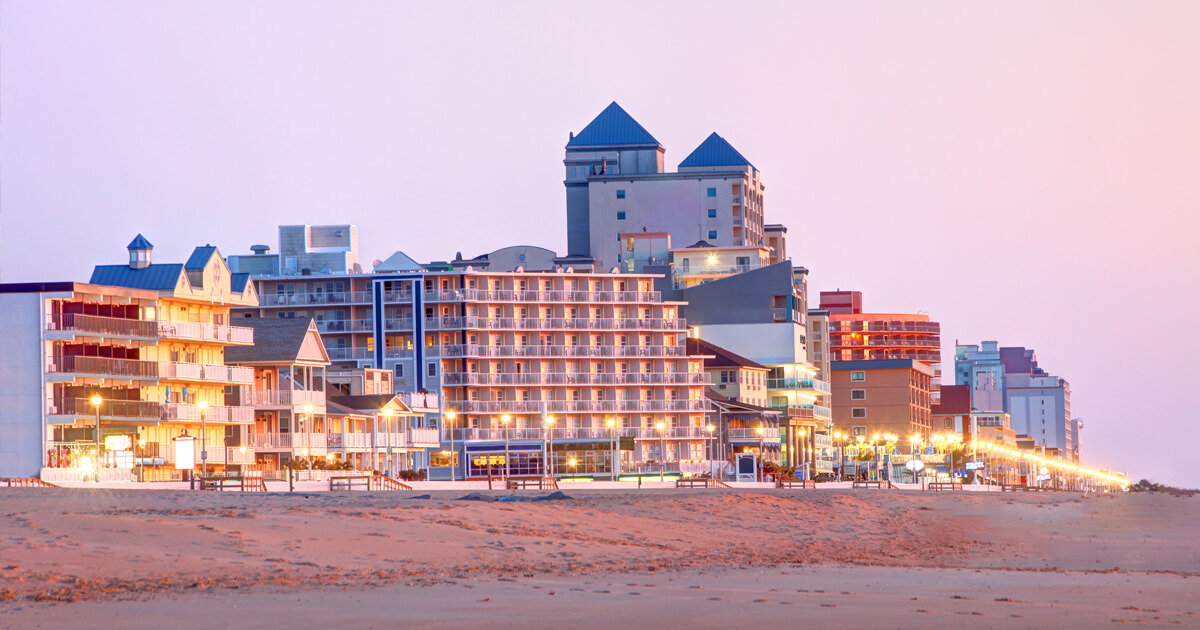
Wind coverage availability on the coasts of Maryland and Delaware has also improved compared to prior years, particularly for masonry and fire‑resistive construction, where underwriting appetite is strongest and rate relief is most evident. However, roof age remains a critical underwriting consideration, along with overall building condition, maintenance history, and documented capital improvements. Properties that proactively address these factors continue to benefit most as the market stabilizes.
Developments to Watch – Natural Disasters & Tariffs
Natural catastrophe activity remains elevated, but the property insurance market has recently emerged from several years of hard‑market conditions with stronger capitalization and improved financial stability. After an extended period of corrective pricing, reduced capacity, and stricter underwriting, insurers and reinsurers are now better positioned to absorb losses. As a result, increased competition is beginning to re‑enter the market, gaining momentum from late 2025 into 2026.
Ongoing tariffs on imported construction materials continue to contribute to higher rebuilding and repair costs across the U.S. Materials such as steel, aluminum, lumber, and copper remain subject to elevated pricing, which has increased replacement cost valuations and, over time, can place upward pressure on property insurance premiums.
What You Can Do Today
- Consider Budgeting for a Roof Replacement.
Many carriers continue to limit coverage for roofs older than 15 years, which can affect the loan approval process. It’s advisable to consider replacing aging roofs sooner rather than later. - Analyze your organization’s natural disaster exposures.
If your commercial property is in an area prone to certain types of weather and climate events, implement adequate mitigation and response measures. - Get a new appraisal or refresh the one you have.
Independent rebuild appraisals provide accurate data about older buildings and realistic property values – especially important while the economy continues to struggle with supply issues and inflation in all sectors.