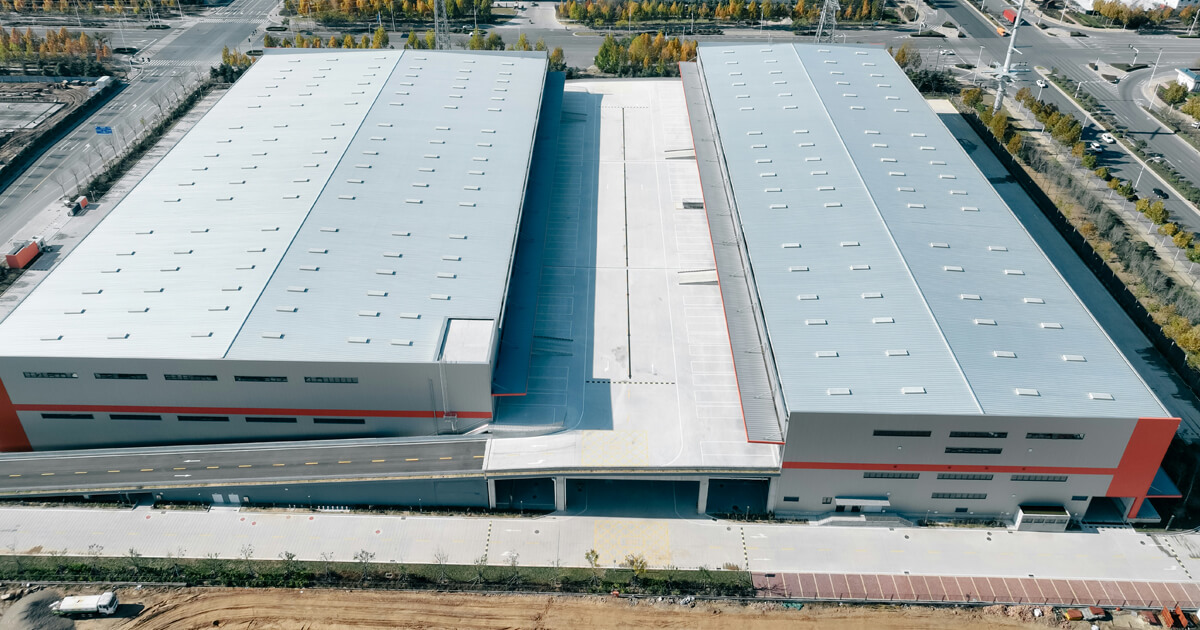
A well-maintained roofing system is a crucial component of effective warehouse risk management. Acting as the first line of defense against weather and environmental exposure, a warehouse’s roof helps protect stored inventory, equipment and the facility itself from damage. If a roof’s integrity is inadequate or compromised, warehouses may experience water intrusion, mold growth and other concerns, which could disrupt business operations and lead to safety violations.
Roof Integrity Management
By serving as a barrier to the elements, warehouse roofs are exposed to a wide range of weather conditions, including sun, wind, rain and snow. Compared to other areas of a facility that staff regularly see, roofs are seldom visible during day-to-day operations, increasing the potential for unnoticed damage or wear. Weaknesses in the roof system may allow moisture to penetrate the decking and insulation, affecting interior conditions and potentially damaging stored materials. Water intrusion can also compromise structural supports and lead to costly repairs. Since warehouse roofs—particularly flat or low-slope roofs—span large areas and often support heavy equipment such as heating, ventilating and air conditioning (HVAC) units, even minor structural issues can have serious implications and, in severe cases, may lead to roof collapse.
As such, facility managers need to be vigilant for indicators of compromise. Red flags include the following:
- Roof membrane damage—Cracks, holes, blisters or other signs of wear in the roof membrane may indicate trapped moisture that could affect the roof’s integrity.
- Increased repair frequency or energy bills—Frequent repairs may indicate underlying structural issues rather than isolated damage, while unexpected increases in energy consumption may signal gaps, cracks or moisture-saturated insulation affecting the roof’s thermal performance.
- Recurring roof leaks or water infiltration—Repeated leaks may indicate membrane failure, poor drainage or deteriorated flashing, signaling a systemic issue that requires prompt attention.
- Roof sagging—Visible dips or uneven areas may indicate water-logged insulation, deteriorated decking or structural stress that could compromise the roof’s load-bearing capacity.
To spot signs of compromise in a timely manner, organizations should establish a regular roof inspection schedule. Professional inspections may be beneficial in fall and spring, as well as after storms, to address concerns before they escalate. Outside of regular inspections, organizations should engage structural or roofing professionals whenever red flags arise, such as visible sagging, bending of roof components or unusually heavy loads on the roof. Organizations should document any damage and keep detailed maintenance records to support compliance with safety legislation and provide evidence for insurance claims.
Where roofs continue to experience issues, organizations should consider appropriate upgrades (e.g., ultraviolet-resistant coatings or impact-resistant roof materials). Upgrades or reinforcements may also be necessary for older buildings or when the building’s use has changed (e.g., additional rooftop equipment or the introduction of solar panels).
Drainage, Ponding and Water Intrusions
A warehouse’s drainage system is integral to the building’s resilience against water damage. Factors such as blocked drains, clogged downspouts, and low slope or flat roof designs can lead to water pooling for extended periods, a condition known as ponding. Ponding water adds weight to the roof, can soak insulation, damage the membrane or even lead to roof failure. Furthermore, inadequate drainage can result in meltwater from snow and ice accumulating in low areas, increasing the likelihood of leaks and adding further stress to the roof’s load capacity.
Key warning signs of drainage issues include:
- Ponding water—Water that remains on the roof for more than 48 hours can accelerate membrane breakdown and encourage mold and algae.
- Blocked drains and scuppers—Drains and scuppers clogged from debris, pests or ice may trap water and cause sagging or bending near drainage points.
- Water stains—Staining on walls or ceilings and mold or dampness below the roof may signal improper drainage or water intrusion.
- Ice dams—Ridges of ice at roof edges or along drainage paths may restrict water flow and add weight, increasing pressure on roof systems.
To proactively prevent drainage concerns, organizations should ensure that drainage systems and roof slopes are suitable for the roof’s size and location, aligning with local building codes. Drains, scuppers and gutters should be cleared of debris periodically throughout the year, especially before winter.
After heavy snow, rain or other weather events, organizations should check for blocked or frozen drains, ice dams and localized ponding. Should ponding occur, organizations should investigate the underlying cause and take steps to remove it. Additionally, organizations could consider the merits of installing self-regulating heating cables in roof drainage systems to create a clear path for melted snow and ice to drain.
Snow Load and Ice Management
Ice and snow, especially when wind drifts create deeper accumulations, can place significant weight on warehouse roofs, leaving them vulnerable to stress, sagging or even collapse. The minimal slope on many warehouse roofs means that snow can’t slide off as easily and may pile up near obstructions such as HVAC units, parapets and skylights. Compounding the issue, regional differences in seasonal weather patterns, altitude and humidity can result in varied snow densities. According to standard snow-load calculations, wet, heavy snow can weigh up to seven times more than light, fluffy snow. Wet snow may quickly exceed the load capacity of a roof, particularly if the building is older or doesn’t conform to modern building codes.
Key indicators of snow load risk include the following:
- Visible roof sagging or roof deflection, cracks in walls or masonry, doors and windows that become difficult to open and close, bowing ceiling tiles, and creaking or crackling sounds
- Snow accumulating at uneven depths across the roof, or drifting and collecting against parapets, equipment and other rooftop obstructions
- Ice dams forming around drains or at roof edges, preventing runoff
Older buildings, those located in areas prone to heavy snow, and those retrofitted with solar panels and other heavy rooftop equipment may also be vulnerable to issues related to snow load.
Organizations can mitigate these risks by creating a snow event response plan, which includes identifying who is responsible for snow and ice removal. Because rooftop clearing activities must adhere to OSHA protocols for working at heights, including the use of appropriate fall protection measures, organizations may wish to engage outside professionals. Establishing the roof’s load capacity is essential to determine when snow or accumulating ice warrants removal. Additionally, organizations should arrange professional roof inspections following significant snowfall or ice accumulation and conduct routine year-round maintenance to prevent damage. Organizations may also consider installing snow-load sensors for real-time load capacity monitoring or snow guards to help manage how snow melts and slides off roofs.
Compliance, Insurance and Liability Considerations
Proactive roof management is critical for several reasons. Roof leaks can create unsafe conditions, such as wet floors, electrical exposure and mold growth, all of which can threaten employee and visitor safety and lead to OSHA violations. Furthermore, local building codes specify roof load capacity, drainage design and snow-load management requirements. Failure to comply with these standards may create legal exposure, particularly if rooftop equipment is installed without structural review.
A roof’s age, condition, drainage adequacy and maintenance history are also essential for insurance purposes. Poor drainage or deferred maintenance may lead to increased premiums or, in some cases, limit coverage or contribute to claim denials. Documenting maintenance activities can support insurance claims and help organizations demonstrate risk mitigation.
Conclusion
Warehouse roofs play a critical role in supporting safe operations, ensuring business continuity, and protecting assets and inventory. Early signs of deterioration can be easy to miss because roofs aren’t typically inspected or observed on a day-to-day basis. Proactive roof maintenance, timely intervention and robust documentation can help organizations increase operational resilience and maintain compliance. For more building safety guidance, reach out to Delmarva’s risk management experts at Deeley Insurance Group today! Call or text us at 410-213-5600.