
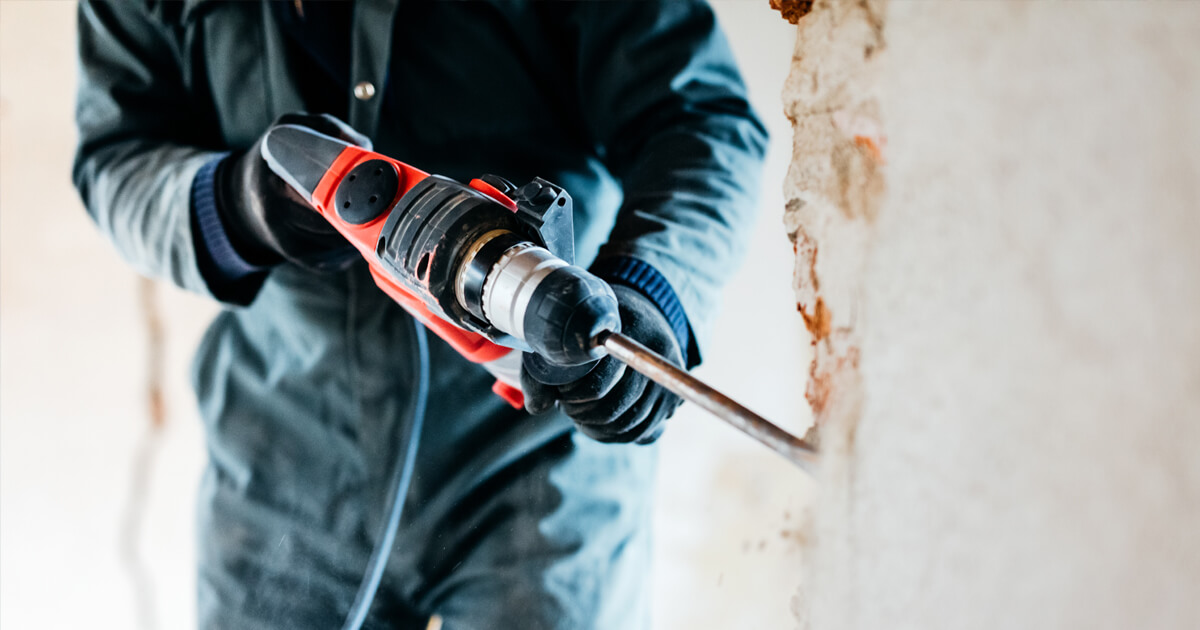
Hand-arm vibration (HAV) happens when the energy from a vibrating tool transfers into your hands and arms. Workers who regularly use tools such as jackhammers, chainsaws, grinders, sanders, impact wrenches and drills face the greatest risk. Repeated exposure over time can damage the nerves, blood vessels, muscles and joints in the hands and arms, a condition known as hand-arm vibration syndrome (HAVS).
Common Signs and Symptoms
HAVS often develops gradually, and early signs are easy to dismiss. Watch for the following:
- Tingling or numbness in the fingers or hands is often one of the first signs of nerve damage.
- Fingers may turn white or pale, especially in cold conditions, followed by redness or throbbing as blood flow returns.
- Grip strength is often reduced, making it harder to hold tools or pick up small objects.
- Pain or aching in the hands, wrists or arms during or after tool use.
- Sense of touch and pain perception is reduced, sometimes permanently.
- Clumsiness or loss of dexterity may develop, such as trouble buttoning a shirt or picking up coins.
- Increased sensitivity to cold, with symptoms that feel worse in cooler temperatures.
Ways to Prevent Hand-arm Vibration Injuries
- Use the right tool for the job. Choose a tool that is properly sized and suited to the task rather than forcing an underpowered or oversized tool to work. Use tools with anti-vibration features whenever possible.
- Keep tools well maintained. Worn, damaged or poorly maintained tools vibrate more and require more effort to operate. Report any tool that feels rough, unbalanced or louder than normal.
- Hold tools with a light, relaxed grip. Gripping too tightly increases the vibration transferred into your hands and reduces blood flow. Let the tool do the work. Only throttle when necessary.
- Avoid unnecessary force. Let the tool’s power do the cutting, grinding or drilling instead of pushing or leaning into it.
- Take regular breaks. Rotate between vibrating and nonvibrating tasks throughout your shift, giving your hands time to rest and recover.
- Keep your hands warm. Cold hands are more vulnerable to vibration injury. Dress for the weather and keep your hands covered when working in cold conditions.
- Consider vibration-dampening gloves. Vibration-dampening gloves that meet ANSI S2.73/ ISO 10819 standards for added protection, but they are not a substitute for using the right tool, a light grip and regular breaks.
- Report symptoms early. Tingling, numbness or color changes in your fingers are early warning signs. Report them to your supervisor and healthcare provider right away.
Key Takeaways
HAVS develops gradually, but it can permanently affect your ability to use your hands. Choosing the right tools, keeping a light grip, taking regular breaks and reporting symptoms early are the most effective ways to protect yourself.
If you operate vibrating tools regularly and notice any warning signs, talk to your supervisor or a healthcare provider.
Let’s Talk
For more risk management tips, or for a complimentary review of your current policies, contact the Construction Insurance experts at Deeley Insurance Group today. Call or text us at 410-213-5600.