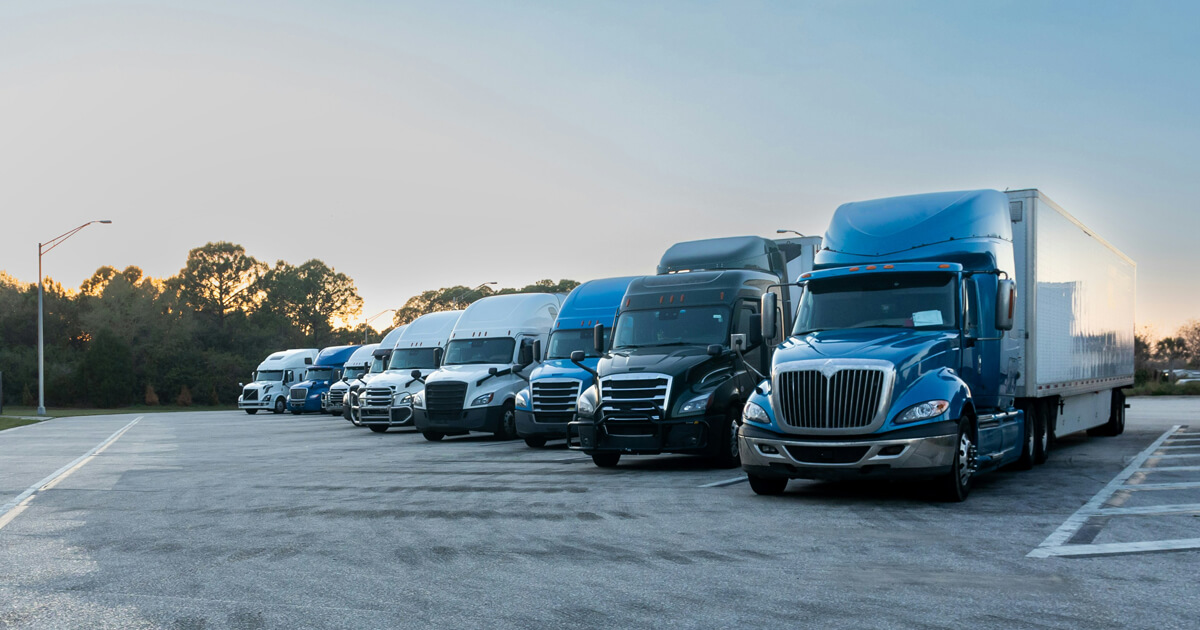
Extreme weather events—such as hurricanes, tornadoes, flooding and wildfires—have become increasingly devastating and costly. These events now affect communities across nearly every region of the United States, driving up catastrophe (CAT) losses for many businesses. In particular, extreme weather events can have serious impacts on commercial fleets—including both parked and active vehicles—ultimately resulting in extensive physical damage, operational disruptions and financial fallout. This is especially true for businesses that rely heavily on transportation to conduct essential operations.
As these events continue to cause significant losses, it’s critical for businesses with commercial fleets to develop CAT plans that address the weather-related risks their vehicles and operations may face and outline effective disaster mitigation strategies. In doing so, businesses can minimize the likelihood of large-scale disruptions and lasting losses following extreme weather events.
Building a Strong Insurance Portfolio
To ensure adequate financial protection for their commercial fleets and operations amid extreme weather events, businesses must review their insurance portfolios and assess how different policies respond to CAT losses. Specifically, businesses should focus on how their coverage handles certain perils (e.g., flooding and fires) and carefully examine all CAT-related terms, deductibles and exclusions. Commercial auto insurance is the main form of coverage that may respond to CAT losses among commercial fleets. As such, businesses should ensure they have comprehensive physical damage coverage (rather than collision-only coverage) for all critical vehicles.
In addition to commercial auto insurance, businesses should consider how their other policies may provide financial protection for their commercial fleets during extreme weather events, limiting potential coverage gaps. For example, inland marine insurance can help cover disaster-related losses affecting tools, equipment or other items being transported in company vehicles. Business income (and extra expense) insurance may offer protection if a disaster physically damages company property and, consequently, disrupts or halts operations. It’s best to consult trusted insurance professionals to determine specific CAT exposures and related coverage needs.
Planning for Potential Disasters
Some parts of the United States are more disaster-prone than others, particularly as it pertains to certain perils. With this in mind, it’s important for businesses to conduct in-depth risk assessments to determine which types of extreme weather events and related CAT losses their commercial fleets and operations are most susceptible to. From there, businesses can start planning for potential disasters and outline necessary steps to take before an event strikes. These steps may include:
- Relocating vehicles—If any vehicles are normally parked or otherwise stationed in vulnerable areas (e.g., coastal sites, floodplains or wildfire zones), businesses should establish an alternate location—or multiple locations, if needed—to transport these vehicles to when extreme weather conditions are in the forecast, thereby reducing the risk of physical damage and disruptions. Vehicles deemed most vital to business functions should be prioritized during relocation efforts.
- Meeting fuel and servicing needs—Businesses should also maintain an ample supply of fuel and essential servicing equipment at alternate vehicle locations to ensure their commercial fleets can continue to operate at full capacity during extreme weather events.
- Training staff—Employees should be trained on when to move vehicles to their alternate locations and additional safety precautions to follow when operating commercial fleets in dangerous weather (e.g., adhering to road closures and reroutes, increasing following distance, reducing speed and taking turns slowly).
- Developing appropriate communication channels—Businesses should assign clear roles and responsibilities for staff to uphold amid extreme weather events and create effective communication channels to ensure everyone can receive the latest updates regarding commercial fleet operations while a disaster is in progress.
Establishing Procedures for Each Phase
After planning for disasters that may impact their commercial fleets, businesses should define specific triggers (e.g., tropical storm advisories, tornado or flood warnings, and fire weather watches) that require action at each phase of an extreme weather event:
- Before—When a potential disaster is forecasted, businesses should promptly inform their staff, commence vehicle relocation efforts, set up their designated communication channels and secure any essential documents. These documents may include insurance policies; vehicle lease and loan information; fleet inspection and maintenance records; asset inventories; and contact information for critical employees, customers, vendors and emergency response personnel.
- During—While a disaster is in progress, safety should be the first priority. This means that commercial fleet operations should continue only if public officials deem it safe to travel in the affected area(s). Employees should be encouraged to exercise extreme caution while driving during the disaster, report accidents immediately and obey any community evacuation orders as they are issued. Customers and vendors should be notified of possible operational disruptions stemming from the event and provided with routine updates that outline current mitigation strategies.
- After—Once the disaster has ended, recovery efforts can begin. This primarily involves inspecting all impacted vehicles and related assets (e.g., fleet software); scheduling necessary repairs in order of critical need and securing rental vehicles (or other transportation solutions) when necessary to maintain operations; checking on employee well-being and ensuring adequate staffing levels for remediation tasks; regularly updating customers and vendors on recovery progress; and maintaining frequent communication with public officials and emergency response personnel regarding next steps and any available government assistance. At this time, businesses should also document all physical damage to their fleets through photos and videos and calculate initial estimates of total losses stemming from the disaster to provide to their insurers, kickstarting the claims process.
Promoting Business Continuity
CAT plans for commercial fleets shouldn’t be standalone resources. To ensure the most successful approach to and recovery from extreme weather events, these plans should work in tandem with existing business continuity and emergency response plans. By taking this step, fleet operations can be effectively linked to overall business continuity, minimizing disaster-related disruptions and losses.
Businesses should include their CAT plans as a subset of their business continuity and emergency response plans, incorporating details such as vital transportation activities and protocols for upholding core services amid weather-related travel disruptions, trusted rental options or other alternatives for essential vehicles, and any additional disaster response resources provided by their local communities. All plans should be well-documented, regularly reviewed and updated as needed.
Ensuring Proper Claims and Recovery Processes
Supporting smooth claims processes is a key element of disaster recovery in commercial fleets, helping businesses obtain swift payouts and resume their typical operations as quickly as possible. Businesses should plan to collect and share with their insurers all valuable information regarding losses incurred amid extreme weather events, and remain available to address any further questions or details requested during the claims process.
In addition to loss documentation and calculations, it may be especially beneficial for businesses to disclose their disaster preparedness and recovery strategies, thus helping insurers better understand the specific steps taken to protect against and respond to extreme weather events and, in turn, determine coverage eligibility.
Following completed recovery efforts and finalized claims, businesses should also take the time to review the losses they sustained and assess the overall effectiveness of their disaster mitigation and response measures. Based on this review, businesses can enhance certain aspects of their commercial fleets and make necessary changes to their CAT plans to help minimize future weather-related losses. During this time, businesses should also analyze their claims data to decide whether any coverage adjustments are needed to reduce potential gaps in protection and limit out-of-pocket costs going forward.
Conclusion
With extreme weather events and associated CAT losses on the rise, businesses can’t afford to ignore the risks these disasters pose to their commercial fleets. By developing effective CAT plans that address their unique operations, disaster exposures and insurance needs, businesses can better protect their fleets against major disruptions and financial losses.
This article is not intended to be exhaustive nor should any discussion or opinions be construed as legal advice. Readers should contact legal counsel or one of the friendly insurance experts at Deeley Insurance Group for appropriate advice. Call or text us today at 410.213.5600.