
Delmarva doesn’t always get snowfall accumulation – but it’s in the forecast for this weekend.
1. Time to check in with your snow removal contractor.
2. Review your snow removal policies with residents and clearly communicate unit owner responsibilities.
3. Check to make sure the heat is on and the water is off for second home properties.

When winter storms bring snow and ice:
- Remind individual owners/tenants of any responsibility regarding the removal of snow and ice at the home or the unit. Be sure to remind them to keep the heat on and the water off during the cold season.
- Most claims are from slip and falls. Have a plan to remove snow and ice quickly from walkways and parking lots. Salt regularly to avoid ice/snow build up.
- Look up – icicles and accumulation of snow on roofs can also cause issues. Remove these whenever possible or route foot traffic away from these areas.
If you decide to hire a snow removal company:
- Make sure the contractor can respond quickly to the snow/ice removal needs and has proper equipment to perform the work.
- The contractor should be properly insured. They also need to name the association or homeowner as an additional insured on the policy.
- Snow and ice removal is difficult to budget—after all, weather is unpredictable. Make sure there are funds available to pay contractors or the contract allows payment terms that would allow the association to collect necessary fees.
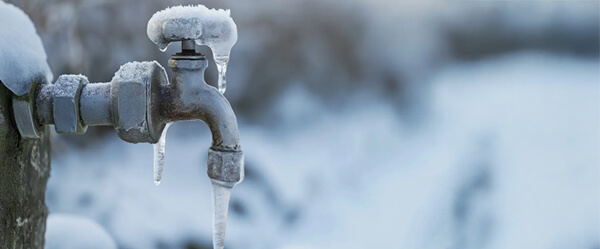

The local forecast predicts our high temperature will be under freezing for more than three consecutive days with an average 15 mph winds. This is when we’ll see more frozen pipes in our area.
Taking steps to prevent frozen pipes and subsequent plumbing issues, including potentially costly water damage, is particularly important.
Limit the risk of frozen pipes in your home:
- Insulate pipes, such as by using heat tape or fiberglass sleeves (If allowed in your Town or Community.)
- Regularly turn on faucets to keep water moving through the pipes and relieve pressure.
- Seal cracks in foundations and exterior wallsWriting to limit cold air intrusion.
- Turn off outdoor water sources and allow them to drain.
- Open cabinet doors and areas with exposed pipes to allow warm air in your home to circulate.
In addition, you should know where your water shut-off valves are! Acting quickly in the event of a burst pipe could be critical in limiting resulting damage.

- Reduce the risk of a heart attack by avoiding overexertion when shoveling snow.
- Avoid carbon monoxide poisoning by only using generators outdoors and away from windows. Never try to heat your home with a gas stovetop or oven.
- Make your own Emergency Plan at www.Ready.gov
If the worst happens and a storm causes damage to your community, reach out to Deeley’s in-house Claims Team at 410-213-5600 or claims@deeleyinsurance.com – You can also submit a claim 24/7 at www.deeleyinsurance.com under Client Services.