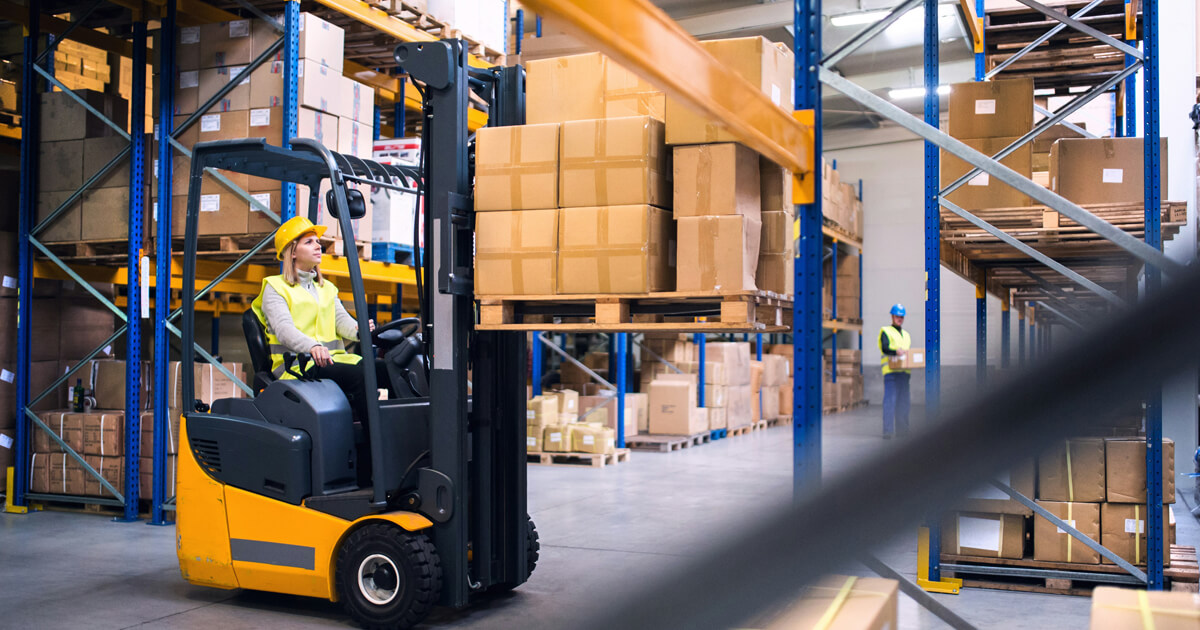
In many industries, forklifts are essential for moving materials and goods. However, when forklifts powered by gasoline, propane and diesel fuel are used indoors or in confined spaces, dangerous levels of carbon monoxide can build up quickly.
Carbon monoxide is a colorless, odorless and tasteless gas produced by internal combustion engines. Because you cannot see or smell it, carbon monoxide can build up quickly without warning and cause serious health risks, including death.
If your work requires you to operate a forklift, it’s imperative to know the risks presented by carbon monoxide and the steps you need to take to keep yourself safe.
Recognizing the Symptoms of Carbon Monoxide Poisoning
Knowing the warning signs of carbon monoxide poisoning is critical. Symptoms often start mild and quickly become life-threatening. If you notice any of the following symptoms while working around forklifts, act immediately:
- Headache that worsens over time—This is often the first sign of carbon monoxide exposure and should never be overlooked.
- Dizziness or lightheadedness—Feeling faint or unsteady means your body may not be getting enough oxygen.
- Nausea or vomiting—These symptoms can seem like food poisoning but may indicate carbon monoxide exposure.
- Shortness of breath or chest pain—Difficulty breathing is a serious sign that your body is struggling.
- Confusion or difficulty concentrating—Trouble thinking clearly or feeling mentally foggy can be a warning that carbon monoxide levels may be high.
- Loss of consciousness in severe cases—If exposure continues, you can collapse suddenly and require emergency care.
Tips to Stay Safe
By following these tips when operating a forklift, you can significantly reduce the risk of carbon monoxide buildup and protect yourself and your coworkers:
- Inspect and maintain your forklift regularly. Report any engine problems or unusual exhaust smells immediately. A poorly-tuned engine produces more carbon monoxide, increasing the risk for everyone nearby.
- Operate your forklift sensibly. Avoid racing the engine, breaking erratically and jerky operation of the hydraulic systems. All of these increase carbon monoxide emissions.
- Avoid operating for extended periods in specific locations. Do not operate a gasoline, propane or diesel engine forklift for long periods of time in a confined area, such as a truck trailer.
- Consider the impact of cold weather. During cold weather months, doors and windows that are typically open may be closed, allowing exhaust and other gases to concentrate.
- Turn off the forklift whenever you are not actively using it. Avoid idling for long periods, especially in confined spaces. Shutting down the engine when possible can reduce unnecessary emissions.
- Report any ventilation issues to your supervisor immediately. If fans or ventilation systems are not functioning, do not operate the forklift in that area until the situation has been assessed and resolved.
- Use carbon monoxide monitors when operating forklifts. Ensure carbon monoxide monitors or badges are turned on and positioned correctly. These devices alert you before carbon monoxide reaches dangerous levels. Always take alerts from these devices seriously, remove yourself from the area and inform your supervisor.
What to Do in an Emergency
If you suspect carbon monoxide exposure, take immediate action. Delaying even a few minutes can make the difference between recovery and serious injury or death.
The following guidelines are recommended:
- Stop work immediately and move to fresh air away from the source. Go outside or to a well-ventilated area as quickly as possible.
- Notify your supervisor and report the incident. This can help prevent others from being exposed and ensure the hazard is addressed.
- Call for medical help without delay. Carbon monoxide poisoning is a medical emergency that requires professional treatment.
- Do not reenter the area until it has been ventilated and declared safe by qualified personnel. Returning too soon can lead to further exposure.
- If you suspect a coworker is experiencing carbon monoxide poisoning, take immediate action. Help move them to fresh air if it is safe for you to do so.
- Call emergency services and stay with the coworker until help arrives. Monitor their breathing and be prepared to provide CPR if they stop breathing and you are trained to do so.
- Do not allow the affected person to return to the contaminated area. Keep them in a safe, ventilated space until medical professionals take over.
Conclusion
Carbon monoxide hazards are silent but deadly. Always follow safe work practices and workplace rules when operating forklifts powered by gasoline, propane and diesel fuel. Your awareness and actions can save lives. If you have questions about forklift safety, speak with your supervisor.