Several scenarios that businesses encounter in routine operations may expose them to litigation and general liability claims. A customer walking through a business could slip on a wet floor, or a piece of equipment could fall and damage a customer’s personal belongings. These and other incidents may lead to liability claims, disrupting operations and placing financial strain—particularly on small and mid-sized businesses.
Fortunately, organizations can minimize their exposure by understanding the common sources of general liability claims and taking proactive steps to mitigate their risk.
1. Slip, Trip and Fall Hazards
Slip, trip and fall incidents make up a significant portion of the general liability claims filed against businesses. They may arise from numerous circumstances, including wet floors, uneven surfaces, torn carpeting, poorly maintained flooring and debris in walkways. Spills and clutter may also develop in busy environments or high-traffic areas such as entrances and lobbies. Consider the following risk-mitigation measures:
- Use slip-resistant flooring in high-traffic and wet-prone areas, and place and maintain absorbent entry mats during inclement weather.
- Inspect the premises for wet floors, damaged flooring or worn mats and promptly address any defects found. Record inspection and remediation efforts.
- Clean up spills immediately and document response times.
- Use conspicuous wet floor signage during cleaning or when spill hazards can’t be addressed immediately. Ensure signage remains in place until the floor is dry.
- Keep walkways free of debris and avoid using extension cords and other trip hazards in public spaces.
2. Parking Lots and Sidewalks
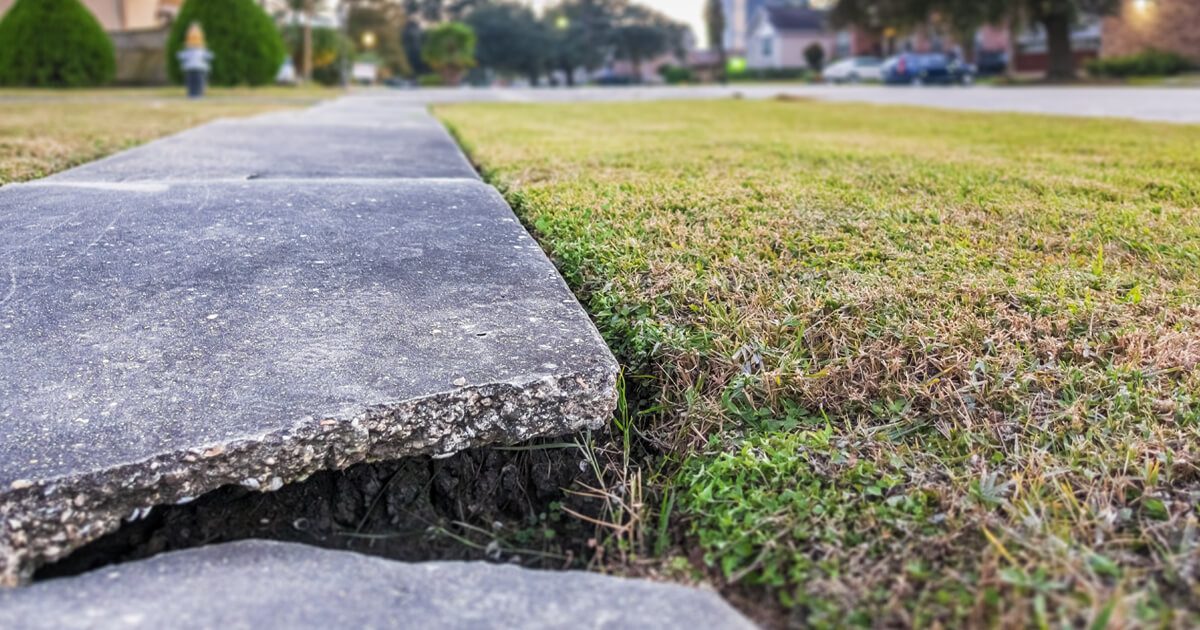
Parking lots and sidewalks are high-traffic areas, where numerous hazardous conditions (e.g., potholes, cracked pavements, uneven surfaces, deteriorating curbs, and inadequate snow or ice removal) can increase the likelihood of general liability claims, especially when visitors are distracted by vehicles or pedestrians. Consider the following risk-mitigation measures:
- Conduct and document daily and post-weather-event inspections of all parking lots and exterior walkways and remove hazardous debris (e.g., broken glass or litter) promptly to reduce trip risks.
- Repair pavement defects promptly, using cones or barricades to alert pedestrians until repairs are complete.
- Implement a formal snow and ice removal plan with defined response times, service frequency and removal standards.
- Improve and maintain exterior lighting to enhance visibility, especially near entrances and parking areas.
- Use signage and striping to guide pedestrian and vehicle traffic and draw attention to steps, curbs and ramps.
3. Inadequate Lighting and Visibility Risks
Poorly lit parking areas, walkways, stairwells and building entrances can increase general liability exposures. Visitors may struggle to see hazards such as debris or elevation changes, increasing slip and fall risks. Low lighting may also encourage criminal activity (e.g., vandalism or assault), which could result in security-related claims. Consider the following risk-mitigation measures:
- Conduct routine lighting audits inside and outside the facility, including nighttime walkthroughs, to identify dark or poorly lit areas.
- Check bulbs routinely and replace them promptly, upgrading to higher output or LED fixtures when appropriate.
- Ensure stairways, ramps and transition areas are well illuminated.
- Test emergency lighting and exit signage on a scheduled basis.
4. Hazardous Conditions on the Premises
Hazardous conditions, especially those arising from improper maintenance or overlooked repairs, are a frequent source of general liability claims. Hazards may develop gradually and include broken handrails, malfunctioning doors, damaged steps, unstable shelving and general property deterioration. When such issues aren’t addressed promptly, organizations may face allegations of negligence, increasing their liability risks. Consider the following risk-mitigation measures:
- Conduct routine facility inspections using safety checklists to catch risks, such as unstable shelving or cracked floors.
- Maintain a preventive maintenance program that details which maintenance activities will be performed, when, and who will perform them.
- Prioritize repairs based on the severity of the hazard they present and document any corrective actions taken.
- Train employees on what constitutes a safety concern and encourage them to report hazards promptly.
5. Property Damage
Damage to customer belongings by employees, delivery personnel, maintenance staff or business operations is another frequent source of general liability claims. Incidents may include accidentally breaking a high-value item at a client’s home, scratching or denting property during a delivery, or damaging a floor after dropping a heavy tool. Consider the following risk-mitigation measures:
- Ask employees to complete pre- and post-work checklists when working at client properties to document existing conditions and support any future damage claims.
- Direct employees to use protective coverings to safeguard floors, furniture and other property.
- Train employees to handle and transport equipment smoothly and safely.
- Routinely check tools and equipment for defects.
Conclusion
By embracing a proactive risk management approach, organizations can reduce their exposure to general liability claims. Regular inspections, documented maintenance, prompt corrective actions and a culture that promotes risk management awareness may further lower claim frequency and severity while demonstrating due diligence. This can be especially important when defending claims that do occur.
For more risk management guidance or to discuss general liability insurance for your business, contact the friendly, local experts at Deeley Insurance Group today.
This Coverage Insights is not intended to be exhaustive nor should any discussion or opinions be construed as legal advice. Readers should contact legalcounsel or an insurance professional for appropriate advice. © 2026 Zywave, Inc. All rights reserved.