
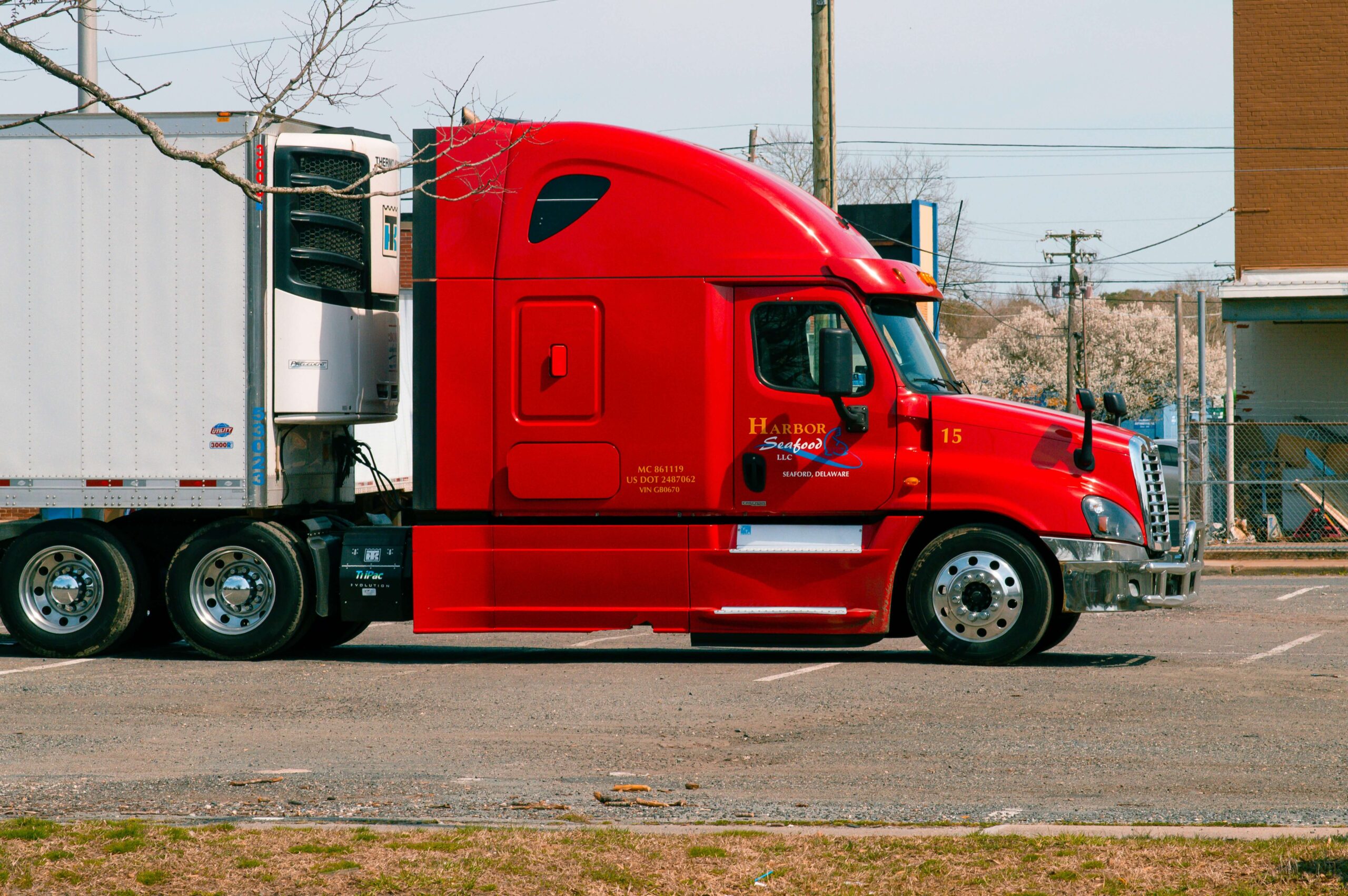
The trucking industry plays a critical role in supporting the U.S. economy, but it operates amid a complex set of challenges. Notably, the commercial auto insurance line has been unprofitable for much of the past decade. As such, insurers are becoming increasingly selective about the risks they are willing to underwrite, and premiums continue to rise among key coverages, adding significant strain to trucking operations. In response, many motor carriers are exploring alternative risk transfer mechanisms, such as higher deductibles, self-insured retentions or captive insurance arrangements. In some instances, motor carriers struggling to secure coverage are turning to the excess and surplus market, where pricing is often higher and terms may be more restrictive.
Overall, insurers may remain cautious in handling new or high risk accounts in the year ahead. It’s critical that trucking companies address evolving market developments, reevaluate risk management programs and implement robust loss control measures to remain resilient.
Nuclear Verdicts, Social Inflation and Litigation Strategy
Primary carriers continue to face pressure from high frequency, high-severity claims. In particular, nuclear verdicts exceeding $10 million remain a pressing concern for several reasons. Plaintiff attorneys are quick to file lawsuits and may use aggressive tactics to amplify the jury’s emotional and psychological biases, encouraging outsized awards. Furthermore, a growing anti-corporate sentiment among the public means that large trucking companies may be viewed as having “deep pockets” that can afford large payouts. Compounding the issue, third-party litigation funding is helping plaintiffs pursue larger, longer and more ambitious cases without the same financial pressures as self-funding methods. Although recent tort reform efforts in several states aim to address excessive jury awards, relief may not be immediate.
Companies facing such verdicts could face underinsurance and significant financial strain—in some cases, just one nuclear verdict could threaten solvency or force market exit, particularly for small and midsize motor carriers. Collectively, policyholders may experience rate pressure as insurers respond to ongoing nuclear verdict exposures by tightening appetite, raising premiums, limiting coverage or exiting segments altogether.
Given these market dynamics, fleets with strong loss-history data may be best positioned to secure better pricing and insurance terms. Therefore, organizations must take a broad approach to risk management, embedding safety into their culture beyond compliance. Fleet managers should review and improve safety measures (e.g., distracted driving, fatigue management and vehicle maintenance policies) and establish robust driver and safety incentive programs. Maintaining comprehensive records of all safety programs and policies is also essential for use in litigation. It may also be prudent to seek counsel from experienced transportation attorneys to develop incident response protocols and other litigation readiness strategies. Additionally, maintaining a strong public image through community engagement and transparent communication can support favorable outcomes in the event of a lawsuit.
Cargo Theft, Fraud and Supply Chain Security
Cargo theft remains a significant threat to the transportation sector, threatening trucking companies’ operations and exacerbating ongoing bottlenecks, delivery delays and supply chain challenges. According to the theft prevention and recovery network CargoNet, cargo theft incidents have increased dramatically in the United States since early 2021. Moreover, lost freight costs the transportation supply chain up to $35 billion annually, according to data from the Homeland Security Investigations agency. Commonly stolen commodities include food, baby formula, beverages, household items and electronics.
Once largely opportunistic, cargo theft has evolved into highly coordinated organized crime, with many criminals relying on deception, identity fraud and social engineering instead of force. For instance, fraudsters may use falsified or stolen credentials to impersonate legitimate drivers or brokers and trick shippers or warehouses into releasing cargo in fictitious pickup scams. Advanced technologies facilitate this process by enabling criminals to track shipments and intercept communications. In some cases, fraudsters may even impersonate legitimate trucking company websites to bid on valuable freight and fool shipping staff.
Consequently, underwriters may scrutinize commodities, transport routes, contract clauses and accumulation exposures, particularly for theft-prone goods or shipments moving to or through volatile geopolitical regions. Trucking companies may witness less favorable insurance pricing or increased deductibles, depending on their specific exposures. Compounding the issue, the rise in nuclear verdicts involving trucking and cargo transport industries is placing additional pressure on insurers and could impact cargo insurance premiums or retentions.
Trucking companies can respond by investing in cargo theft prevention technologies, such as threat-detection tools powered by artificial intelligence (AI) that flag route deviations or suspicious behavior in real time, as well as Internet of Things smart locks and GPS trackers. It’s also crucial that trucking companies robustly vet brokers and carriers by conducting background checks and verifying credentials. Documentation (e.g., proof of delivery, chain-of-custody controls and digital audit trails) is also essential. Organizations should review the terms of their insurance coverage to ensure it covers evolving exposures, such as identity-based cargo theft, and remains aligned with their operational controls and supply chain resilience plans.
Technology and Safety Metrics
Commercial fleets are deepening their use of advanced technologies and safety metrics to reduce crash frequency and improve operational visibility. Fleets will continue to leverage AI-enabled in-cab cameras to provide real-time alerts signaling driver distraction, fatigue or tailgating, among other parameters. Furthermore, telematic platforms are evolving from simple vehicle-tracking tools into full operational intelligence systems delivering predictive insights (e.g., indicators of mechanical issues or risky driver behaviors). Moreover, advanced driver-assistance systems (ADAS) are becoming standard in many trucks, with features such as automatic braking, lane-keeping and blind-spot monitoring, helping to reduce the frequency and severity of accidents.
From an insurance standpoint, these technologies are increasingly important. Specifically, safety data is now a significant factor in underwriting decisions, so fleets that consistently demonstrate strong safety metrics may be better positioned to secure favorable insurance terms in the year ahead. However, technology can also create challenges. Vehicles equipped with ADAS features are often more expensive to repair, as advanced sensors and digital dashboards may require recalibration after collisions— extending repair times and increasing overall costs. As a result, insurers may raise physical damage premiums to maintain underwriting profitability.
Trucking companies will need to balance the benefits of safety technology with the higher costs associated with tech-laden equipment in the year ahead. Leveraging data-driven operations to move from reactive to predictive safety management may support more favorable outcomes, but this should be coupled with disciplined vehicle maintenance and robust driver training programs to reduce the likelihood of accidents and costly repairs. Trucking businesses should also prioritize strong cyber hygiene practices, as cybercriminals could hack into trucking companies’ AI tools or interconnected fleets for nefarious purposes.
Labor, Capacity and Operational Risk
Labor shortages remain a top concern for the trucking sector as many drivers leave the profession seeking a better work-life balance and the number of workers retiring outpaces new entrants. While many trucking companies are increasing wages to attract drivers, a notable shortage persists. In fact, the American Trucking Associations (ATA) reported that the industry was short of more than 80,000 drivers in 2024—up from 60,000 in 2023. Consequently, ATA leadership recently testified before the federal government to propose lowering the U.S. interstate age requirement for commercial drivers from 21 to 18.
While this move could expand talent pools and help curb labor shortages, it carries considerable risks for trucking companies. Specifically, teenage drivers’ lack of experience behind the wheel can make them more prone to accidents, increasing the likelihood of commercial auto liability claims. Although freight volumes are relatively flat, a sudden rebound could prompt accelerated hiring, thereby heightening motor carriers’ exposure even further. Insurers may implement stringent underwriting requirements and restrict coverage for policyholders with inexperienced drivers.
In the year ahead, trucking companies must focus on improving hiring, training and retention practices. At the same time, they should review their business continuity plans, as operational disruptions in environments already affected by staffing challenges can quickly escalate. Furthermore, since lean motor carriers may rely on subcontractors and third parties to meet demand, they will also need strong indemnity and insurance requirements in their vendor contracts to ensure those partners are accountable for their own risks.
Conclusion
Several trends, including litigation risk, cargo security, tech-driven underwriting and labor challenges, are impacting the trucking sector in 2026. However, by tracking these developments and adopting robust risk management practices, trucking businesses can increase resilience and position themselves for success.
Reach out to the Transportation Insurance experts at Deeley Insurance Group today for additional industry-specific risk management guidance. Call or text us at 410-213-5600.