When community associations talk about disaster preparedness, the conversation often focuses on insurance.
Do we have enough property coverage?
Are our flood limits adequate?
What deductible will apply?
Those are important questions. But after a major storm, some of the biggest challenges facing a community may have nothing to do with filing a claim.
Sometimes the biggest challenge is simply getting into the neighborhood.
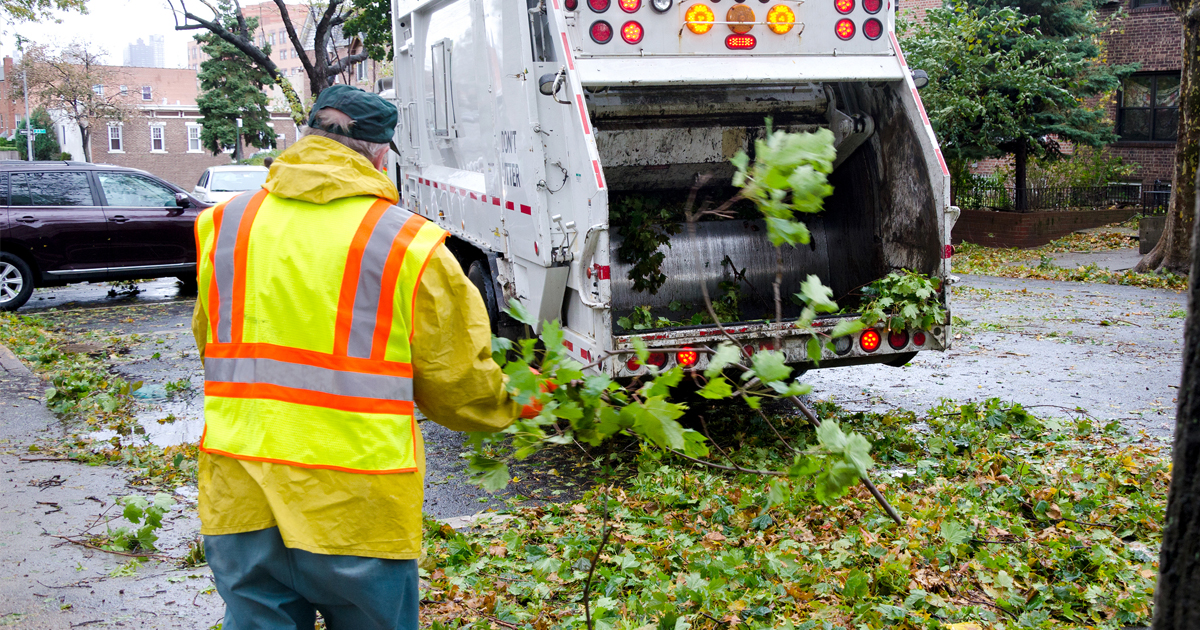
A fallen tree across a private road. Debris blocking access to homes. A damaged entrance. A roadway that prevents utility crews, contractors, or emergency responders from reaching residents who need assistance.
Many condominium and homeowners associations are surprised to learn that FEMA assistance is not always available for the roads, common areas, and infrastructure they are responsible for maintaining after a disaster.
A Community Associations Institute white paper highlights challenges associations may face when seeking assistance for debris removal, roadway cleanup, waterway cleanup, and certain other disaster-related recovery costs. The paper also notes that federal disaster laws authorize assistance on both public and private lands under certain circumstances.
Rather than focusing solely on what assistance may or may not be available after a disaster, perhaps the more important question is:
Who should community associations be talking to before the disaster occurs?
A Different Approach to Disaster Planning
Many associations own private roads, stormwater infrastructure, community entrances, and other common property that may be critical to recovery efforts.
At the same time, municipalities, counties, emergency management agencies, public works departments, utility providers, and other authorities having jurisdiction are developing their own disaster response and recovery plans.
How often do those plans intersect?
Could there be opportunities for community associations and local governments to work together before a disaster to identify:
- Critical private roadways serving residential communities
- Emergency access routes
- Debris removal priorities
- Utility restoration concerns
- Recovery resource coordination
Not because every private road will qualify for government assistance, but because every community benefits when recovery planning happens before a disaster strikes.
Why This Matters
When roads are blocked, recovery slows.
Residents may not be able to return home.
Emergency vehicles may struggle to gain access.
Utility restoration can be delayed.
Contractors may be unable to begin repairs.
The longer access is restricted, the longer the entire recovery process takes.
For boards and managers, that creates an important planning opportunity. Understanding local emergency response procedures and establishing relationships with the appropriate agencies before a storm occurs may help communities recover more efficiently when a disaster does happen.
Questions Boards May Want to Ask
As communities review their emergency preparedness plans, several questions may be worth discussing:
- Are our roads public or private?
- Who is responsible for debris removal following a disaster?
- Is our community included in local emergency planning discussions?
- Which agency has jurisdiction over emergency access concerns?
- Have relationships been established with emergency management personnel before they are needed?
- What costs might the association be responsible for if government assistance is unavailable?
- Could agreements or partnerships be established before a disaster to support debris removal and emergency access efforts?
These conversations may not eliminate challenges after a disaster. However, they can help communities better understand their options, responsibilities, and available resources.
Looking Beyond the Insurance Policy
Insurance is a critical part of disaster recovery, but it is only one piece of the puzzle.
Disaster resilience also depends on planning, communication, partnerships, and preparation.
One of the most overlooked opportunities for community associations may be engaging with municipalities, counties, emergency management officials, and other authorities having jurisdiction before the next storm arrives. Establishing those relationships ahead of time may help communities better understand available resources, recovery priorities, and potential avenues for assistance when they are needed most.
Because when the winds stop blowing, one of the first questions residents ask is not about policy limits.
It’s a much simpler question:
“When can we get home?”
Source: Community Associations Institute, “Disaster Assistance and Community Associations.” [Whitepaper-1 | PDF]