Millions of people throughout the United States enjoy taking their boats out for time on the water, but whether you’re taking a fishing trip into the ocean or spending a leisurely day on a lake, safety must be a top priority. According to the National Security Council, the U.S. Coast Guard receives thousands of boat-related reports every year, comprising hundreds of deaths and millions of dollars in losses. Do your part to protect yourself, your boat and others on the water.
7 Steps for Responsible Boating
The risks and dangers involved in using boats and watercraft require even the most experienced operators to take suitable precautions. Collisions involving other vessels and swimmers, equipment malfunctions, and severe weather are all threats that you cannot afford to ignore. Minimize your risk levels by committing to these safety strategies:
- Take a boating safety course. Being well-versed in how to operate and navigate your vessel is critical for your safety, as well as that of passengers and others with whom you may share the water. These courses are also legally required in many states, especially for younger operators.
- Have your vessel inspected. The U.S. Coast Guard offers free watercraft safety checks to anyone who wants one. Inspectors can come to your home and perform them in your driveway or do so on the water. Failing the inspection will not incur any penalties, and you’ll be given a list of issues, as well as recommendations for addressing them.
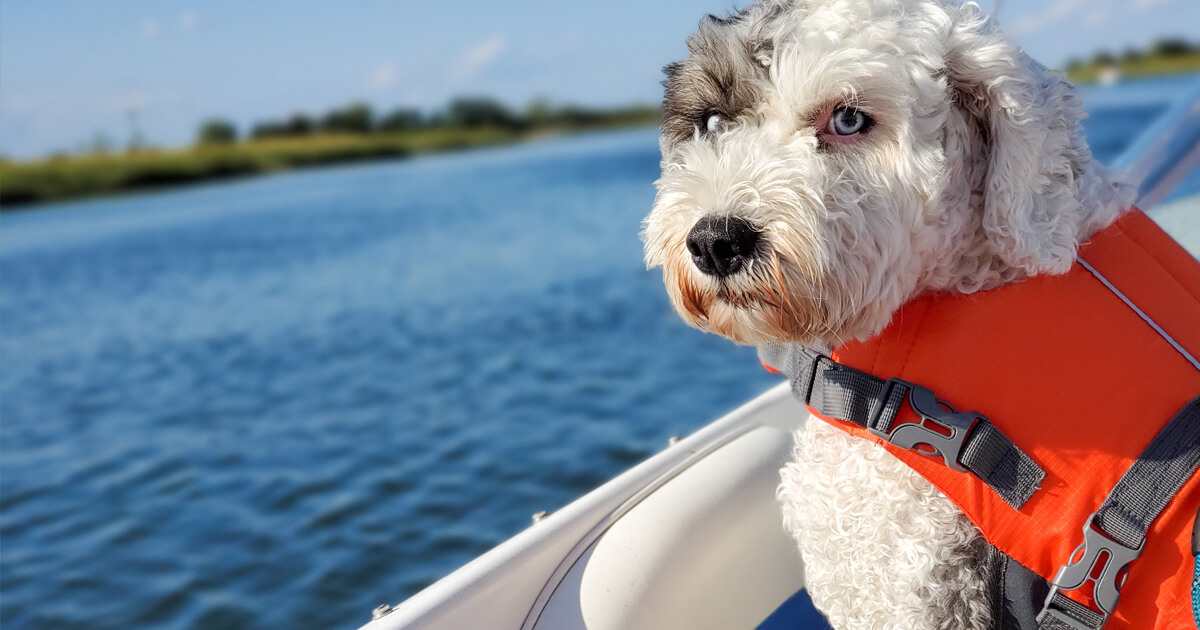
- Create a pre-departure checklist. Formulate a list of things you need to check before each and every time you take your vessel out on the water. This should include inspecting key equipment and systems and making sure proper safety gear, such as life jackets and throwable flotation devices, is on board.
- Check the forecast. Even if conditions seem calm and pleasant as you’re leaving the dock, weather can shift abruptly. Monitor the forecast before setting out on your aquatic adventure, and keep an eye on the weather while on the water. If inclement conditions arise, return to shore immediately.
- Always wear engine cut-off links. Anyone operating a boat in U.S. navigable waters is legally required to wear an engine cut-off switch link. These devices tether the operator’s life jacket with a switch to shut off the vessel’s engine. As such, if you’re thrown overboard or are otherwise not close enough to navigate the boat, the engines will automatically shut down.
- Follow the law. Adhere to any and all rules and laws of where you’ll be boating, such as no-wake regulations. Local ordinances often apply, meaning that if you’re boating in a new or unfamiliar area, you’ll often need to adjust your piloting.
- Help possible rescuers. Formulate a float plan and tell friends or family where you’ll be boating and for how long. This can help officials be notified and search for you if you capsize or become stranded. Registering an emergency beacon with the National Oceanic and Atmospheric Association can also be helpful.
Understanding Boat Insurance
Despite your best efforts and proper precautions, you may still eventually find yourself involved in boating accidents or having to deal with watercraft damage. As such, even if not required in your state, boat insurance can prove to be a critical investment.
Consider the following ways it might help manage the aftermath of a boating incident:
- Responding to third-party losses—You’ll often be sharing the water with other boaters and swimmers, potentially leading to collisions and other scenarios in which you cause bodily injury or property damage. In such scenarios, liability ccoverage can help pay for resulting losses and expenses.
- Repairing vessel damage—Whether stemming from a crash or other incident, your watercraft may eventually require repairs. Boat insurance often includes physical damage coverage, which can assist with repairs or even fully replacing your vessel after a total loss due to covered incidents, such as collisions, theft, vandalism and weather-related damage. Paying for medical bills—Many policies also include medical payments coverage, which can help pay for the health care expenses of you and your passengers following a boating accident, regardless of fault.
- Recovering losses caused by someone else—Just as auto insurance policies may include uninsured/underinsured motorist coverage, boat insurance can also account for your losses if caused by other parties who lack the liability insurance needed to pay for them.
- Getting emergency assistance—If your vessel breaks down or you otherwise become stranded on the water, emergency assistance coverage can help pay for towing and fuel delivery fees.
In Conclusion
Although boats can offer many opportunities for adventure, relaxation and exploration, responsible owners must never cut corners on safety. Contact the friendly boating insurance experts at Deeley Insurance Group today for additional safety resources or to discuss boat and watercraft insurance options. Call or text us at 410-213-5600.