
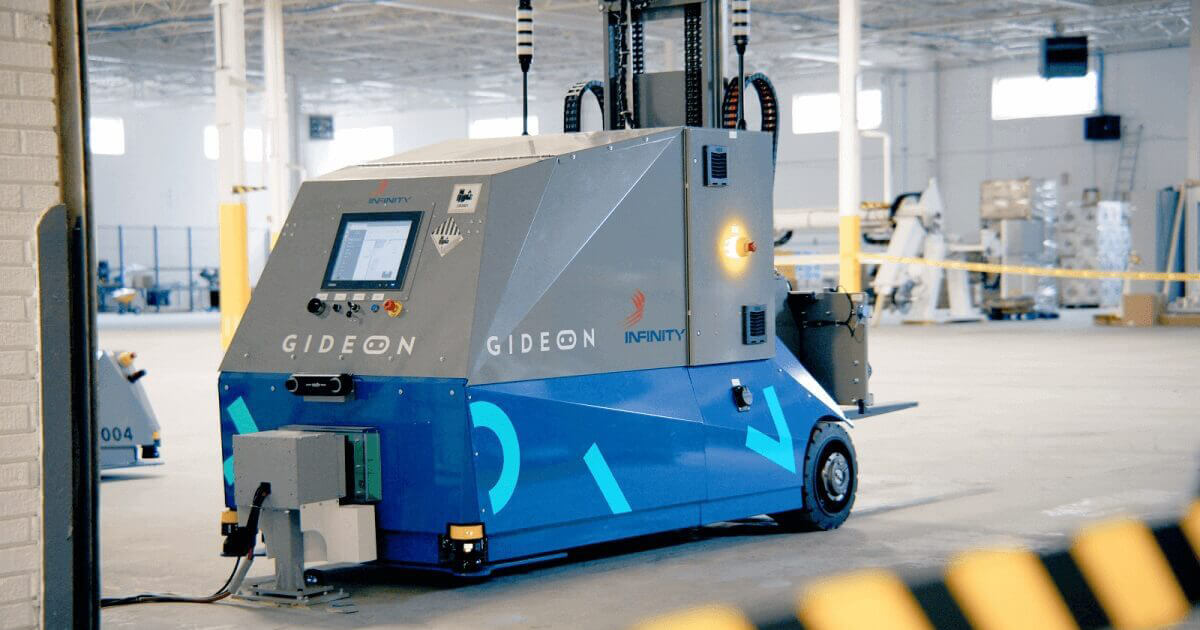
Although rising production demands and government funding have fueled widespread expansion and economic growth across the manufacturing industry in recent years, the sector is now facing a complex risk landscape. Between rapid digital transformation, evolving geopolitical forces and shifting labor demographics, the sector is contending with significant uncertainty. In the commercial insurance market, well-managed manufacturing businesses have benefited from pricing moderation and softening conditions in certain property lines. However, most casualty and specialty lines—especially cyber insurance—remain challenging, with insurers adopting more selective risk appetites and prioritizing accounts that demonstrate data-driven loss control initiatives.
In the current environment, several risks could undermine the sector’s future stability. As such, manufacturing businesses should monitor emerging developments that may impact their operations and insurance portfolios this year—including technological advancements, cybersecurity threats, supply chain challenges and workforce changes—and adjust their risk management programs accordingly.
Technological Advancements
Workplace technology continues to advance in the manufacturing sector, with artificial intelligence (AI) tools, Internet of Things (IoT) devices, smart machinery and other digital solutions helping businesses streamline workflows and maximize operational efficiencies on the production floor. According to a recent report from Rockwell Automation, over half (56%) of manufacturers are piloting smart manufacturing technology, while 20% are using it at scale and another 20% are planning future investments. Nevertheless, increased reliance on such technology can shift manufacturing companies’ larger risk profiles. In the event of system failures or outages, impacted businesses could face prolonged operational disruptions, production delays and related losses. This technology also collects vast amounts of sensitive information, making manufacturing businesses increasingly vulnerable to costly breaches and data exposure.
In light of these concerns, insurers have begun implementing stricter underwriting requirements (e.g., risk modeling, data governance and predictive maintenance) for businesses that use AI tools, IoT devices and other advanced software in their operations to ensure technological resilience and limit the likelihood of associated business interruption and cyber claims. As manufacturing companies adopt these solutions, they must consider the unique risks that this technology poses, communicate openly with insurers to determine necessary safeguards and data-driven metrics, and address potential disruptions in their business continuity plans.
Cybersecurity Threats
Especially as a growing number of manufacturing businesses integrate technology within their operations and allow their digital supply chains to become more interconnected, this introduces additional cyber exposures. What’s worse, some of the sector’s latest technology is evolving so quickly that it’s outpacing the software being developed to protect it, leaving it susceptible to cyberattacks. AI-amplified threats, IT vendor vulnerabilities and other third-party cyber risks have become particularly prevalent, often contributing to lasting disruptions and costly losses across the manufacturing sector.
According to cybersecurity firm BitSight, threat actors targeted manufacturers more than any other industry in 2025, highlighting the expanding severity of cyber exposures. In this landscape, cyber insurance remains paramount; however, manufacturing companies are likely to encounter competitive market dynamics, stringent underwriting standards, higher premiums and more restrictive coverage terms as insurers attempt to offset surging losses.
To help address these challenges, it’s best for manufacturing businesses to maintain strong cyber hygiene practices (e.g., routine staff training, strict access controls, advanced threat detection software, patch management systems, frequent data backups and incident response planning), carefully vet potential IT vendors, and ensure all technology-related policies and procedures align with underwriting requirements.
Supply Chain Challenges
Sweeping geopolitical tensions, global transportation delays and extreme weather events continue to fuel manufacturing inventory shortages and sourcing issues for various raw materials. Complicating matters, emerging tariffs and trade policies are generating greater economic turbulence and, consequently, threatening manufacturers’ current sourcing strategies. These supply chain difficulties can cause widespread communication breakdowns regarding available inventory, prolong production timelines, delay the delivery of finished goods and, in turn, compound operational expenses.
As a result of these issues, reshoring and onshoring have gained momentum throughout the manufacturing sector, with many companies moving their operations to domestic locations and investing in local or regional suppliers whenever possible. According to global manufacturing and supply chain company Fictiv, over two-thirds (68%) of industry leaders are prioritizing onshoring tactics to bolster supply chain resiliency. As supply chain challenges press on for the foreseeable future, manufacturing businesses should review their existing sourcing practices to determine whether changes are necessary and leverage alternative strategies to maintain resilient operations. This may entail implementing more advanced inventory management policies, building strong supplier relationships, using tracking technology to uphold supply chain visibility, and developing contingency plans to manage possible disruptions. Manufacturers should also review their business interruption policies to ensure coverage addresses evolving supply chain exposures and, if needed, consider customized risk transfer solutions.
Workforce Changes
The U.S. workforce is aging, with baby boomers accounting for a considerable share of the labor market. This poses serious workplace safety risks, as multiple studies have found that older employees are more susceptible to severe occupational injuries and related workers’ compensation claims than their younger counterparts. Given that the National Safety Council reported that the manufacturing sector currently holds the highest recordable injury and illness rate per 10,000 workers across all industries, this trend is particularly concerning. Even as baby boomers retire and exit the workforce, manufacturers will have to grapple with worsening labor shortages. In response, they may have to hire and upskill less experienced employees to fill talent gaps. This poses similar safety risks, as OSHA data shows that nearly one-third of occupational injuries and associated workers’ compensation claims occur among employees in their first year on the job.
To address labor challenges and keep workers’ compensation costs under control, manufacturing businesses should adopt proactive HR practices and staff retention strategies (e.g., improved working conditions, competitive pay, and consistent career growth and skills development opportunities). They should also establish a strong safety culture by providing employees of all experience levels with proper training and resources on common workplace hazards. Manufacturing businesses should be sure to document these initiatives for their insurers to support better underwriting outcomes.
Conclusion
Several trends are currently impacting the manufacturing sector, emphasizing the importance of staying informed and adaptive. By tracking these developments and mitigating any associated exposures, manufacturing businesses can foster long-term growth, boost operational efficiency and address their unique insurance needs. Contact us today for additional industry-specific risk management tips and coverage solutions.
This information is not intended to be exhaustive nor should any discussion or opinions be construed as legal advice. Please contact legal counsel or the friendly, local insurance experts at Deeley Insurance Group for appropriate advice. Call or text us at 410.213.5600.